
Commercial
Bridging Loans
Short-term finance secured on offices, retail, industrial and mixed-use property. Arranged from £100,000 to £100m+ through a panel of 300+ lenders, for business and investment purposes.
Discuss your deal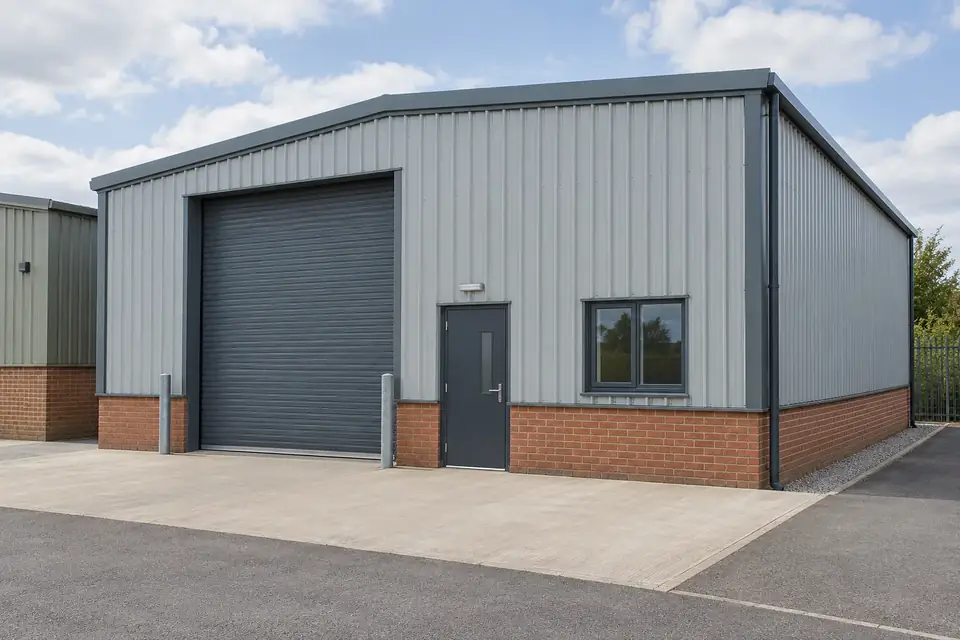
What the loan can fund
Commercial bridging loans fund acquisitions, including auction purchases, the refinance of existing debt and capital raised against commercial property. They also cover the period in which a building is refurbished, re-let or converted before a sale or refinance.
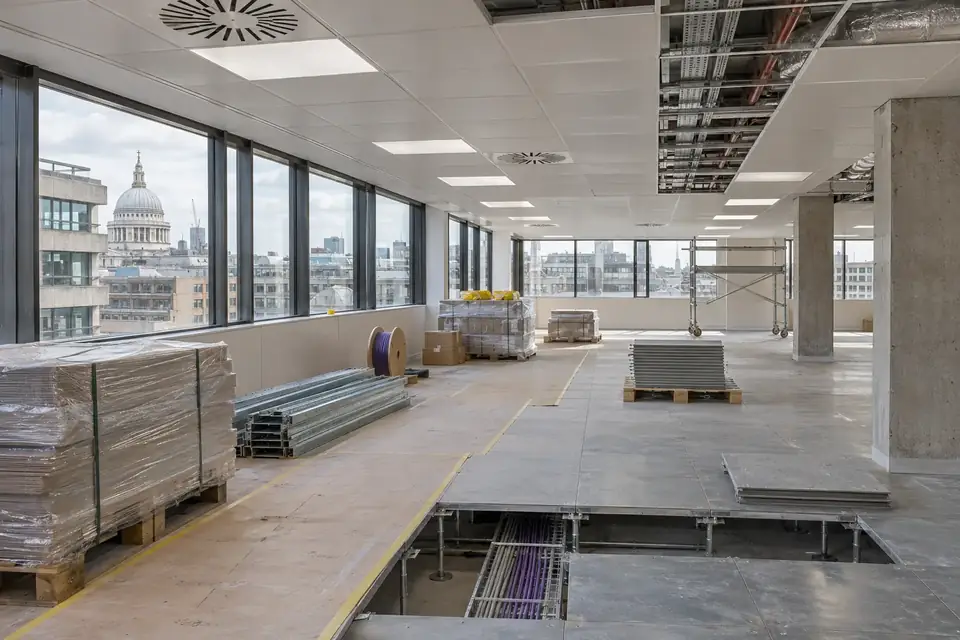
Where works are proposed, a facility may combine the acquisition or refinance advance with an agreed works allowance. See refurbishment bridging loans. Where a change of use requires planning consent, lenders typically release works funding only once consent is in place. A separate acquisition bridge may fund the purchase while planning is considered. For ground-up construction, see development finance.
Indicative parameters
- Loan size
- £100,000 to £100m+
- Loan to value
- up to 70% on commercial security
- Term
- up to 24 months
- Security
- first charge is usual
- Interest
- retained, or paid monthly where affordability is evidenced
- Borrowers
- individuals, UK limited companies, LLPs and SPVs. Overseas borrowers can be considered.
These are ceilings, not lending commitments. The lender’s valuation basis, and its treatment of interest, fees and existing charges, determine the actual advance.
Limits by property type
The 70% limit is the general figure for commercial security. Individual sectors differ:

| Property type | Typical Maximum LTV's |
|---|---|
| Offices | 70% LTV. |
| Semi-commercial property | 70%. Where there is a large commercial element, this may reduce to 65%. |
| Hotels | 65% LTV. |
| Care homes | 65% LTV. |
| Industrial property | 65% LTV. |
| Pubs | 65% LTV. |
| Land with planning | 60% LTV. |
Each figure is subject to valuation and lender assessment. Leisure property and park sites are assessed individually. See property sectors.
Valuation basis
The accepted valuation
The loan is a percentage of the value the lender accepts, so the basis of valuation matters. A tenanted property can be assessed on investment value where the lender accepts that basis and the tenancy supports it. Lease length, rent, tenant covenant, break clauses, arrears and reletting prospects all affect the assessment. Where the covenant does not support that basis, the lender relies on the vacant-possession value.
Trading property
For a trading property such as a pub, the purchase price of the business and the property value the lender accepts can differ. The property value should be distinguished from machinery, stock and other business assets.
The sale period
A lender may also ask for a valuation that assumes a sale within 180 or 90 days. There is no universal deduction between that figure and market value. Confirm the basis used in the loan offer before calculating the funds available.
What to send us
For indicative terms we need the property address, the purchase price or current value, the borrowing required, any existing debt, the proposed term, borrower and ownership details, and the exit. Indicative terms within 24 hours. For commercial security, add:
Tenancies
the tenancy schedule and lease terms, including break dates and any vacant possession arrangementsTrading property
accounts, operating arrangements and licences for a trading propertyWorks & planning
the planning position and a costed programme, where works or a change of use are proposedKnown issues
any title or environmental issues
Commercial bridging questions
Discuss your dealHow much can I borrow against commercial property?
Up to 70% loan to value on commercial security, with lower limits for some sectors. These are ceilings. The lender’s valuation basis and its treatment of interest, fees and existing charges determine the actual advance. A headline facility amount is not the cash available on completion.
What does a commercial bridging loan cost?
Pricing reflects the property, loan to value, loan size, condition, borrower profile, charge priority and exit. Commercial and specialist assets are assessed differently from standard residential security. Arrangement fees are typically 2%, with valuation and legal costs. Some lenders charge an exit fee. See bridging loan costs, or Calculate costs for an illustration.
How long does a commercial bridging loan take to complete?
Indicative terms within 24 hours. Most deals we arrange complete within three to four weeks. Timing depends on valuation, legal work, title and lender conditions. Target completion is 14 days for suitable transactions using an automated valuation. Automated valuations are restricted to eligible properties, and a physical valuation may otherwise be required. Tell us the contractual deadline at the outset.
Can the loan fund an office-to-residential conversion?
It can be considered. In England, a qualifying change from Class E to residential use may fall within Class MA permitted development rights, subject to conditions and prior approval. Article 4 directions and other restrictions can remove that route. The funding case should state the actual planning position. See bridging finance for offices.
What if part of the property is residential?
The split between commercial and residential use affects how the lender classifies the security. The typical maximum for semi-commercial property is 70% loan to value, which may reduce to 65% where there is a large commercial element. Disclose any occupation by you or a related person before a facility is assessed.
Can a limited company or an overseas borrower apply?
Yes. Lenders assess ownership, directors, beneficial owners and the source of funds. A newly formed SPV can be considered. Specialist lenders consider non-resident borrowers and overseas ownership structures.
What repayment exit will the lender expect?
Sale or refinance is the usual exit. The lender will assess whether the proposed repayment is credible within the term.
Where repayment depends on a commercial mortgage, the proposed rent, lease terms and tenant covenant must support it. For a trading property, the trading position must support the proposed exit debt. The term should allow for the works, the letting and the sale or refinance itself.