
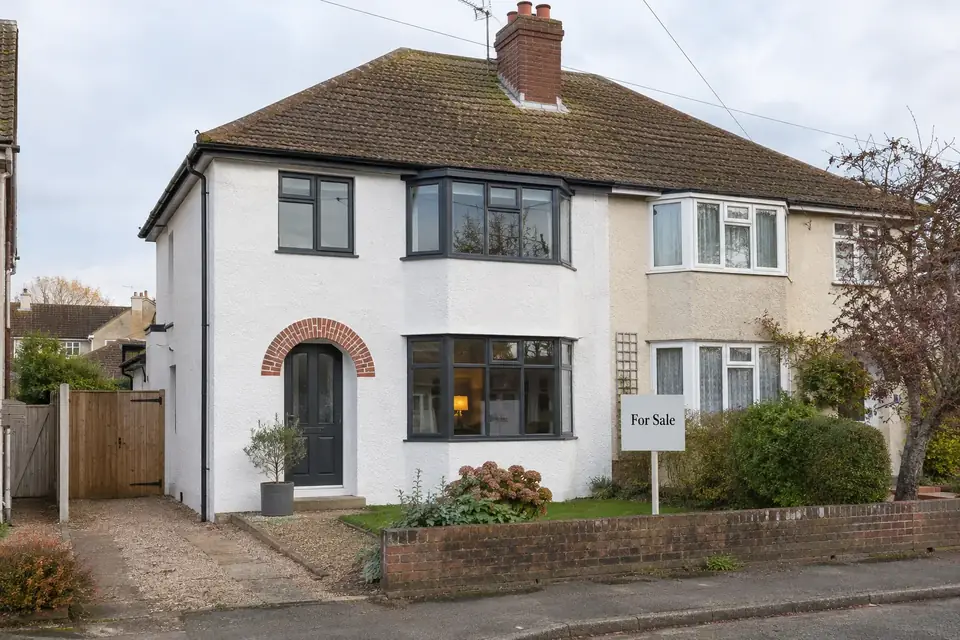
Bridging loans
£298,920Whitchurch, Hampshire
Releasing capital before the refurbished house sells
A first-charge bridge freed funds for the investor’s next project.
Read the case studyDevelopment finance
Refinance your development facility at practical completion, release your equity for the next project, and give yourself the time to sell at the right price, not the pressured one.
Lenders on our panel can typically offer:
Because the loan is assessed against the value of the finished scheme rather than cost, developers who have added significant value through the build can often release equity at the point of refinance.
Bridging Loan Calculator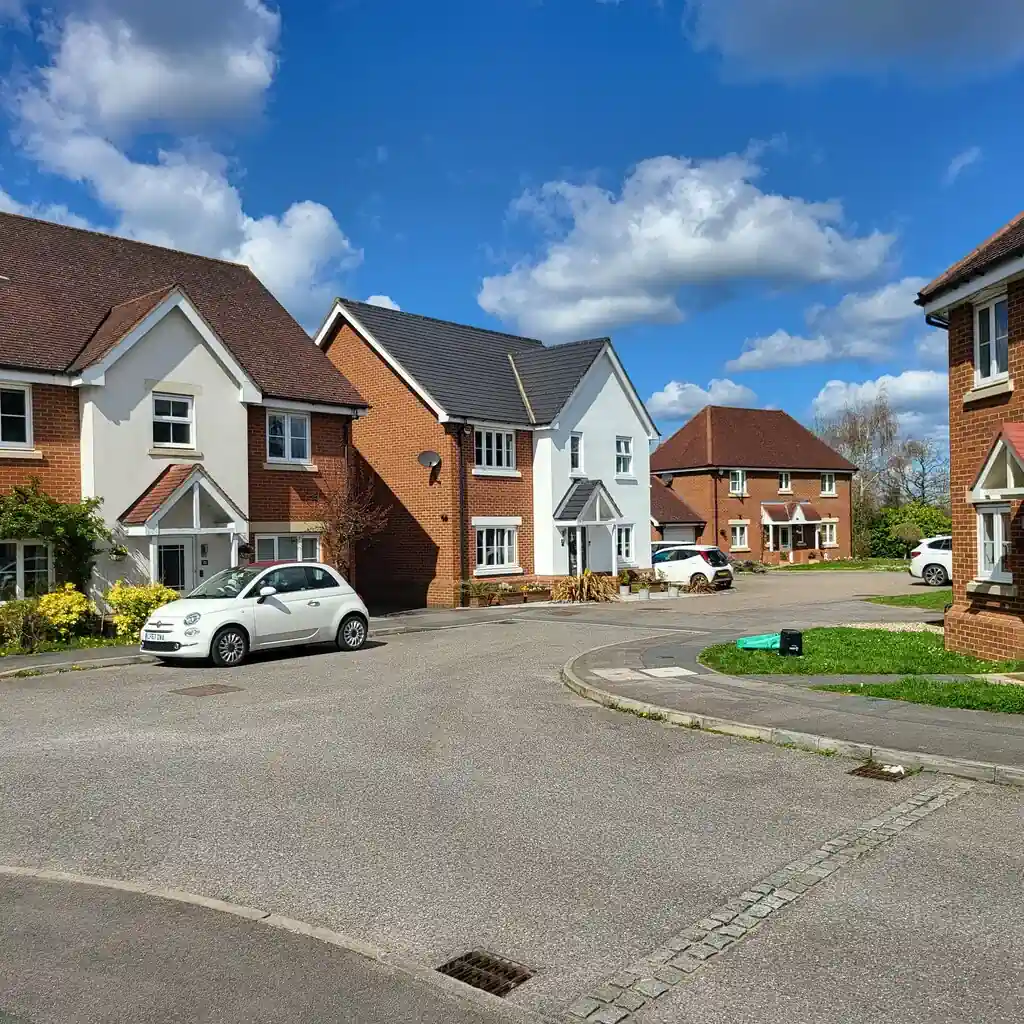
If your scheme still has meaningful works outstanding and you need additional funds to finish the build, a finish-and-exit development finance loan is likely the better fit, we arrange both, and will guide you to the right structure for your position.
Development exit bridging is available across a wide range of completed schemes, including:
Development exit bridging is one of the most competitively priced products in the bridging market, because lenders are securing against a finished asset with no construction risk. As a guide, in the current market, rates on our panel typically start from around 0.65% per month for strong schemes at conservative leverage, with most deals pricing between 0.75% and 0.89% per month depending on:
Fees vary from lender to lender, but you might expect:
Remember that the monthly rate is only part of the picture, arrangement fees, exit fees and legal costs all affect the true cost of the facility. As a whole-of-market broker with 300+ lenders on our panel, we compare the total cost of each option, not just the headline rate.
We take the details of your scheme, your outstanding facility, your sales position and your goals.
We approach the most suitable lenders from our panel of 300+, plus our network of family offices and private funders where appropriate.
We negotiate terms, then manage the valuation of the completed scheme.
We actively manage the file through to drawdown, using our experience to look ahead for problems and solve them before they cause delay.
Your development lender is repaid in full, and your sales period begins on materially better terms.
Where a redemption deadline is looming, speed matters, with a complete scheme and a clean legal pack, facilities can often be arranged in a matter of weeks.
Tiger Financial is a specialist UK bridging and development finance broker, trading since 2004. The development exit market is fragmented, with lender appetites and pricing changing constantly, it is impossible for anyone other than a specialist broker to know the best deal at any given time. Using our granular knowledge of the sector, and our panel of 300+ lenders, we will find you great terms, manage the entire application process and ensure a strong application is put together from the start.
Contact our team today to discuss your development and submit an application.
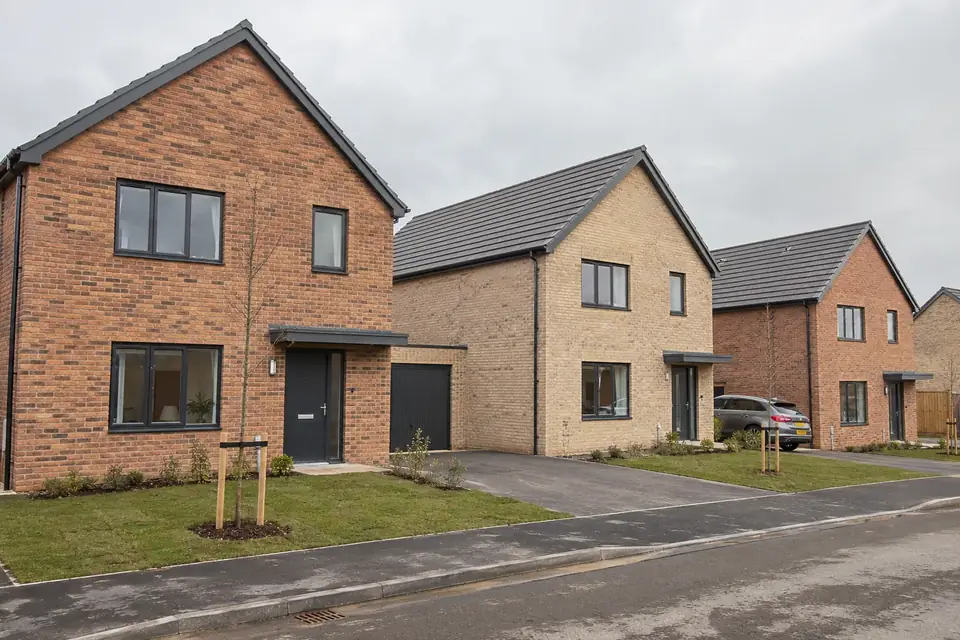
Discuss your dealDevelopment exit bridging is a short term loan used to repay your existing development finance facility once your scheme is complete. Because the construction risk has gone, lenders will lend up to 75%, allowing you to release your equity to begin your next project, along with a fresh term of typically 6–18 months to sell your units or refinance onto term debt.
Development facilities have a fixed term, and as the redemption date approaches, most development lenders have limited appetite to extend, regardless of where your sales have got to. A development exit bridge removes that deadline, so you are never forced to discount-sell finished units simply to redeem a loan on time.
See criteria pageDevelopment exit bridging refinances your development loan once the scheme is complete, purely to cut costs and buy sales time. A finish-and-exit development finance loan additionally provides the funds needed to complete outstanding works. If your build isn’t finished, finish and exit is usually the right route.
Rates typically range from around 0.65% to 0.89% per month depending on loan to value, asset quality and sales evidence, with arrangement fees normally 2%. Because every deal is different, the quickest way to get an accurate figure is to speak to our team or try our bridging loan calculator.
Yes. Because the facility is assessed against the completed value of the scheme rather than build cost, developers who have added value through the build can often borrow more than the outstanding development debt, releasing capital for the next project.
Most development exit facilities allow individual unit sales, with an agreed release amount from each sale going to reduce the loan. This means your finance cost falls as your sales progress.
Lenders will generally want practical completion certification and warranties in place. If your scheme is close to completion but not quite there, talk to us, some lenders on our panel will fund pre-PC, or a finish and exit structure may suit better.
With a completed scheme, a responsive solicitor and a clean legal pack, deals can complete in as little as 2–4 weeks, though 4–6 weeks is more typical. If your redemption deadline is close, contact us as early as possible.
Wheatsheaf Close by James Emmans / Geograph, CC BY-SA 2.0. Converted to WebP and cropped for display.
Bridging loans
£298,920Whitchurch, Hampshire
A first-charge bridge freed funds for the investor’s next project.
Read the case study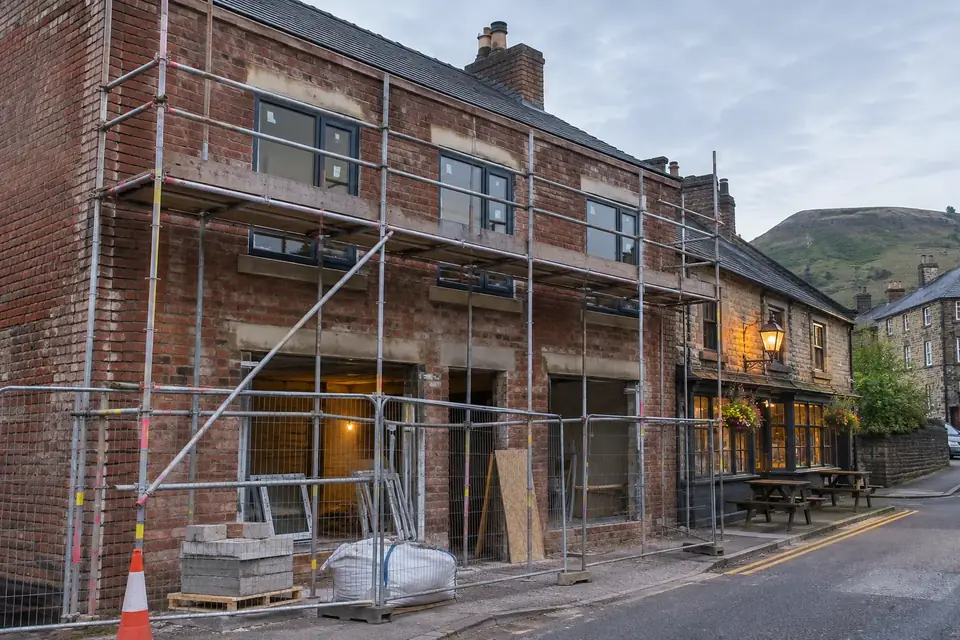
Refurbishment
£216,687Derbyshire
A holding bridge followed by finance for three flats.
Read the case study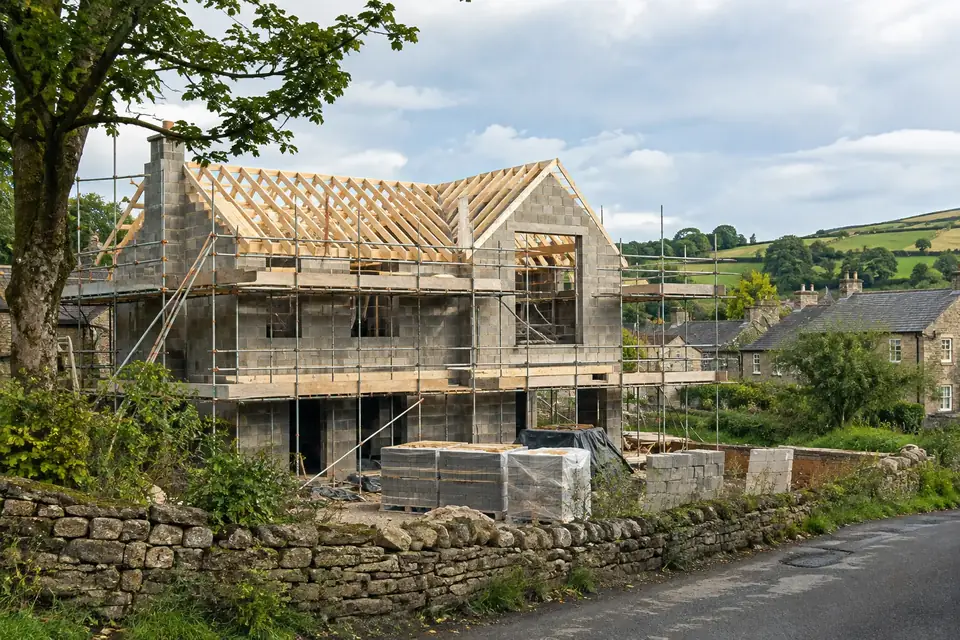
Land finance
£1.415mNear Leeds
An expired facility replaced on four luxury-house plots.
Read the case studyLet’s talk property
Get in touch now
We respond within one business hour.
Monday–Friday, 8am–6pm.